The question “What is the most addictive drug?” is a complex one, as different substances affect individuals in various ways. Addiction is not just about physical dependence but also about psychological and emotional reliance. This article explores the addictive potential of various substances, their impact on the brain’s reward system, and the challenges they present to those who use them. In addition, we explore the greater benefits of an Unaltered State mental state. If you are considering altering your natural state of mind, understanding the risks of highly addictive substances is a critical first step.

Addictive Substances And The Brain
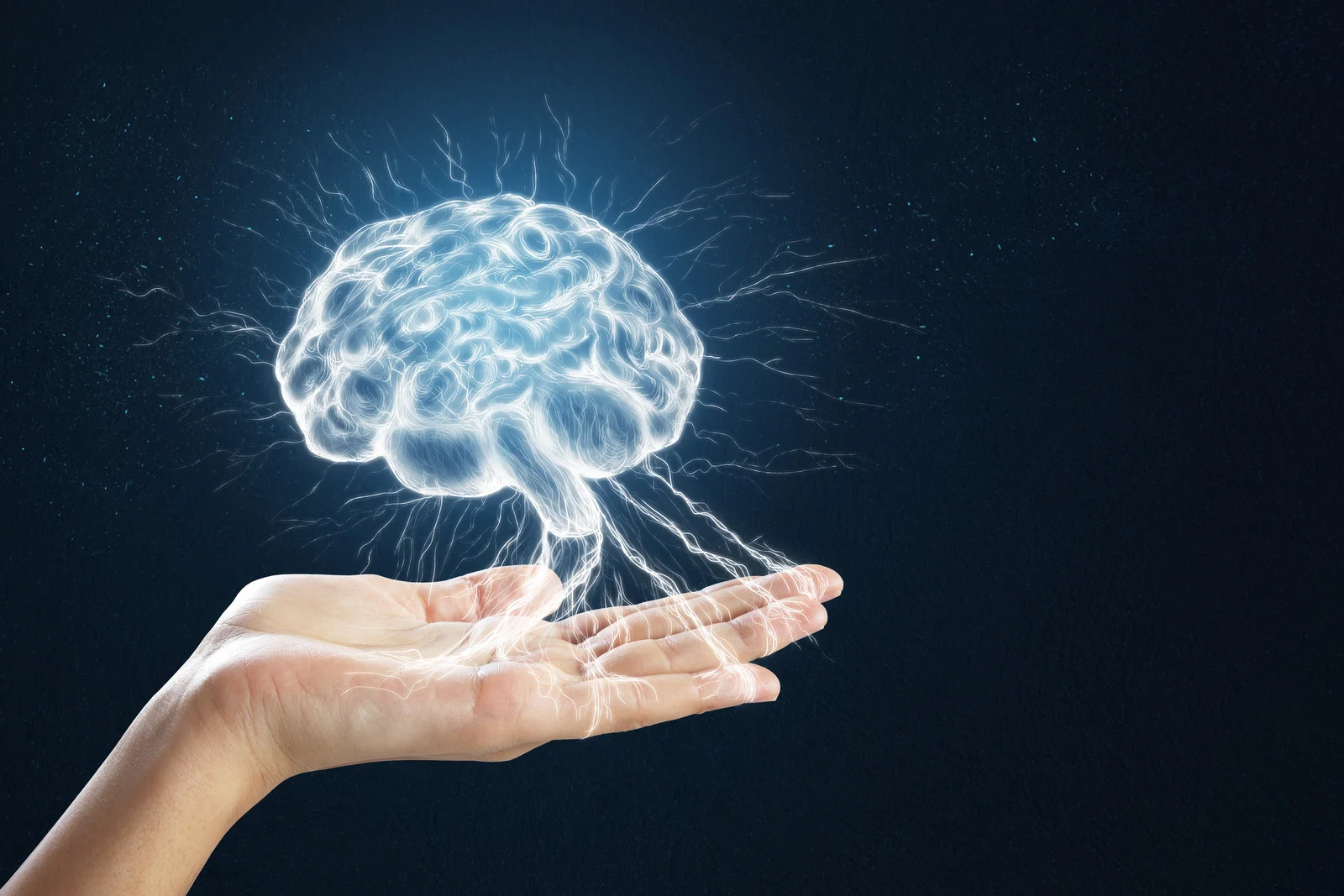
Addiction is a chronic condition characterized by the compulsive use of substances despite harmful consequences. At the core of addiction is the brain’s reward system, which is designed to encourage behaviors necessary for survival, such as eating or social bonding. Addictive drugs hijack this system by flooding the brain with dopamine, the chemical responsible for feelings of pleasure. Over time, the brain’s dopamine receptors become desensitized, requiring higher doses to achieve the same effect, leading to substance use disorder.
The impact of addiction extends beyond just the brain. Chronic drug use affects multiple systems in the body, leading to physical health problems such as cardiovascular issues, liver damage, and weakened immune responses. For many, addiction also brings significant social, emotional, and financial challenges.
Ranking The Most Addictive Drugs
Determining the most addictive drugs involves evaluating their addictive properties, withdrawal symptoms, and effects on the brain. Here are some of the substances widely recognized for their addictive nature:
1. Heroin
As an opiate drug, heroin binds to opioid receptors in the brain, producing intense euphoria and severe pain relief. Its addictive potential lies in its ability to create a rapid and powerful high. Individuals with heroin addiction often experience severe withdrawal symptoms, including nausea, vomiting, muscle pain, and insomnia, making it challenging to quit without professional help. Additionally, heroin addiction increases the risk of infectious diseases due to needle sharing.
2. Cocaine
Derived from the coca plant, cocaine is a powerful stimulant drug that significantly increases dopamine levels in the brain. Its rock form, known as crack cocaine, is particularly addictive due to its fast-acting and intense effects. Prolonged cocaine use disorder can lead to severe psychological dependence, paranoia, and even long-term cognitive impairments. Users often find themselves caught in a binge-and-crash cycle, which exacerbates dependence.
3. Alcohol
Though a legal substance, alcohol is one of the most widely misused and addictive substances. Alcohol addiction, or alcohol use disorder, develops when individuals rely on alcohol to cope with stress or emotions. Withdrawal symptoms, such as tremors, anxiety, seizures, and hallucinations, can be life-threatening without medical supervision. Long-term alcohol misuse also leads to liver damage, cardiovascular problems, and neurological impairments.
4. Methamphetamine (Crystal Meth)
Crystal meth is another highly addictive drug known for its intense euphoria and long-lasting effects. The substance damages dopamine receptors, making it difficult for users to feel pleasure from anything other than the drug. This often leads to a cycle of dependence, severe withdrawal symptoms, and profound changes in physical appearance, such as significant weight loss and dental issues (“meth mouth”).
5. Prescription Opioids
Often commonly prescribed for severe pain, prescription opioids like oxycodone and hydrocodone are among the most addictive substances. Their addictive nature lies in their ability to produce a euphoric high, similar to heroin. Misuse of prescription opioids can lead to severe drug addiction and, in some cases, fatal overdose deaths. The rise in opioid addiction has contributed significantly to the global opioid epidemic.

We must emphasize again that this article is not intended to cast judgment upon anyone. Rather, we believe everyone has something to contribute to their communities and families. Therefore, we want people to know the risks and be safe. If someone has tried these substances or fears they may have already formed an addiction, there is hope! Start by visiting support communities, whether locally or online!
The Addictive Potential Of Other Substances
While the drugs listed above are among the most addictive, other substances also pose significant risks:
Nicotine
Found in tobacco products, nicotine’s addictive properties make it one of the most difficult substances to quit. Its widespread availability and societal acceptance often mask its dangers.
Prescription Stimulants
Medications used to treat ADHD, such as Adderall, can become addictive when misused, especially in higher doses.
Marijuana
While often considered less harmful, cannabis use can lead to psychological dependence in some individuals, particularly when used frequently or in high doses. This is especially true for adolescents whose brains are still developing.
Benzodiazepines
Commonly prescribed for anxiety, medications like Xanax and Valium carry a high risk of dependence and withdrawal symptoms.
Why Are Some Drugs More Addictive Than Others?
The addictive potential of a substance depends on several factors:
- How It Affects the Brain: Drugs that rapidly increase dopamine levels tend to be more addictive
- Method of Use: Substances smoked or injected often lead to faster addiction due to their rapid absorption into the bloodstream
- Severity of Withdrawal Symptoms: Drugs with severe withdrawal symptoms create a strong incentive to continue use
- Availability and Social Acceptance: Easily accessible or socially normalized substances, like alcohol and nicotine, can lead to higher rates of addiction
The Role Of Psychological Dependence
Addiction is not solely about physical dependence. Many substances, including addictive stimulants and other drugs, cause psychological dependence, where users crave the drug for its pleasurable effects or to escape emotional pain. Psychological dependence often manifests as compulsive drug-seeking behaviors, even when users recognize the harm.
Effective Treatment For Addiction
Overcoming addiction is possible with the right support and interventions. We will provide examples of some evidence-based treatment approaches, but consult a medical professional as we are not!
Medication-Assisted Treatment (MAT)
MAT involves using doctor-prescribed medications to alleviate withdrawal symptoms and cravings. For instance, methadone or buprenorphine can help manage heroin addiction, while naltrexone is effective for alcohol addiction and opioid use. MAT is often combined with behavioral therapies for holistic care.
Behavioral Therapy
Therapies such as cognitive behavioral therapy (CBT) help individuals identify and change harmful thought patterns associated with substance use. Motivational interviewing is another technique that empowers individuals to pursue healthier choices. Family therapy can also address underlying dynamics contributing to addiction.
Treatment Programs
Residential and outpatient treatment programs offered by organizations like the American Addiction Centers provide comprehensive care, including counseling, medical support, and life skills training. These programs are tailored to address both substance use disorders and co-occurring mental health conditions. Support groups like Narcotics Anonymous also play a critical role in long-term recovery.
Preventing Addiction

Prevention is always better than treatment. Here are some steps to reduce the risk of addiction:
- Educate Yourself: Understanding the risks of addictive substances can help you make informed decisions
- Seek Healthy Coping Mechanisms: Instead of turning to substances, explore activities like exercise, meditation, or creative hobbies to manage stress
- Build a Support System: Surround yourself with people who encourage healthy behaviors and hold you accountable
- Limit Exposure: Avoid environments or situations where drug use is normalized. Stay informed about peer influences and societal pressures
Fight Withdrawal Symptoms
Withdrawal symptoms are intense and vary by substance. They include anxiety, nausea, insomnia, and cravings. Some can be life-threatening. Fight withdrawal with medical support, hydration, and rest. Medications ease symptoms. Therapy and support groups help long-term recovery. Seek professional help.
Stay active to reduce stress and improve mood. Eat nutritious meals to strengthen your body. Avoid triggers that cause cravings. Practice deep breathing and mindfulness to stay calm. Surround yourself with supportive people. Focus on small victories each day.
Encouragement For Change
If you or someone you know is struggling with addiction, know that help is available. Overcoming addiction is a journey, but with the right resources and support, recovery is achievable. Organizations like The Unaltered State provide valuable information and connections to addiction treatment programs. Their mission is to help individuals rediscover their potential without the influence of substances.
The question, “What is the most addictive drug?” serves as a gateway to understanding the broader issue of addiction. The risks are significant, and the journey to recovery can be challenging. By seeking knowledge, recognizing the dangers, and accessing effective support systems, individuals can make empowered choices to avoid or overcome addiction.