How Do You Calm Anxiety When It Comes On Suddenly?
Quick Answer: When anxiety strikes suddenly, you can calm it by using the 5-4-3-2-1 grounding technique (identifying 5 things you see, 4 you can touch, 3 you hear, 2 you smell, and 1 you taste), practicing deep diaphragmatic breathing (inhale for 4 counts, hold for 4, exhale for 6), and focusing on the present moment rather than catastrophic future scenarios. Physical movement, cold water on your face, and progressive muscle relaxation can also provide immediate relief.
Sudden anxiety attacks can feel like they come out of nowhere, leaving you breathless, shaky, and overwhelmed. Whether you’re in the middle of a meeting, driving your car, or simply going about your day, these intense episodes can be frightening and disruptive. Understanding how to respond when anxiety strikes suddenly can make the difference between a brief uncomfortable moment and a prolonged state of distress.
Understanding Sudden Anxiety

Anxiety that appears suddenly often manifests as a panic attack or acute anxiety episode. Your body’s alarm system, the sympathetic nervous system, activates the fight-or-flight response even when there’s no real danger present. This physiological reaction causes a cascade of symptoms including rapid heartbeat, shortness of breath, chest tightness, sweating, trembling, dizziness, and a sense of impending doom.
The experience can be so intense that many people mistake it for a heart attack or other medical emergency. While these symptoms are uncomfortable, they are not dangerous. Your body is responding to perceived threat, flooding your system with adrenaline and cortisol to prepare you for action.
Immediate Techniques to Calm Sudden Anxiety
The 5-4-3-2-1 Grounding Technique
One of the most effective ways to interrupt an anxiety spiral is through sensory grounding. This technique pulls your attention away from anxious thoughts and anchors you firmly in the present moment.
Look around and identify:
- 5 things you can see (a picture frame, a blue chair, sunlight on the wall, your watch, a doorknob)
- 4 things you can physically touch (the texture of your clothing, the surface of a table, your phone, the ground beneath your feet)
- 3 things you can hear (traffic outside, a clock ticking, your own breathing, background conversation)
- 2 things you can smell (coffee, fresh air, perfume, or imagine the scent of something pleasant if nothing is available)
- 1 thing you can taste (chew gum, take a sip of water, or notice the current taste in your mouth)
This exercise works because it engages your prefrontal cortex, the thinking part of your brain, which helps calm the amygdala, the emotional center that triggers the anxiety response.
Diaphragmatic Breathing
When anxiety hits, your breathing pattern changes. You begin taking rapid, shallow breaths from your chest rather than slow, deep breaths from your diaphragm. This actually perpetuates the anxiety response because shallow breathing signals danger to your brain.
To practice proper breathing:
- Place one hand on your chest and one on your belly
- Breathe in slowly through your nose for a count of 4, allowing your belly to rise while keeping your chest relatively still
- Hold the breath gently for a count of 4
- Exhale slowly through your mouth for a count of 6, feeling your belly fall
- Pause briefly before the next breath
- Repeat for at least 2-3 minutes
The extended exhale is particularly important because it activates your parasympathetic nervous system, which counteracts the stress response and promotes relaxation.
Progressive Muscle Relaxation
Anxiety causes muscle tension, and this tension can actually intensify anxious feelings. Progressive muscle relaxation breaks this cycle by systematically tensing and releasing muscle groups.
Starting with your feet, tense the muscles tightly for 5 seconds, then release completely for 10 seconds. Notice the difference between tension and relaxation. Move progressively upward through your calves, thighs, buttocks, stomach, chest, arms, hands, shoulders, neck, and face. The entire process takes only a few minutes but can significantly reduce physical symptoms of anxiety.
The Cold Water Method
Splashing cold water on your face or holding a cold compress against your forehead triggers the mammalian dive reflex. This physiological response slows your heart rate and redirects blood flow, interrupting the panic response. Some people find that holding ice cubes in their hands or taking a cold shower provides similar relief.
Movement and Physical Activity
When your body is flooded with stress hormones, physical movement helps metabolize these chemicals. Even brief movement can help:
- Take a brisk walk, even if just around the room
- Do jumping jacks or run in place
- Stretch your body, reaching toward the ceiling and then bending toward your toes
- Shake out your arms and legs vigorously
The physical exertion gives those stress hormones a purpose and helps discharge the nervous energy that anxiety creates.
Cognitive Strategies for Managing Sudden Anxiety
Reality Testing
During an anxiety attack, your thoughts often become catastrophic and distorted. Practicing reality testing means questioning the validity of anxious thoughts.
Ask yourself:
- What evidence do I have that this feared outcome will actually happen?
- Have I been through similar situations before and survived them?
- Am I confusing a feeling with a fact?
- Would I have this same reaction if I felt calm?
- What would I tell a friend who was thinking this way?
This process doesn’t eliminate anxiety instantly, but it prevents the escalation that comes from believing every anxious thought without question.
Present Moment Focus
Anxiety almost always involves worrying about the future or ruminating about the past. Deliberately focusing on the present moment can interrupt this pattern.
Notice exactly where you are right now. Describe your surroundings in detail, as if you were explaining them to someone who couldn’t see them. Pay attention to the physical sensations in your body without judgment. This practice, similar to mindfulness meditation, helps you recognize that in this exact moment, you are actually safe.
Acceptance Rather Than Resistance
Paradoxically, fighting against anxiety often makes it worse. When you tell yourself “I shouldn’t be feeling this way” or “I need to stop this immediately,” you add a layer of stress on top of the existing anxiety.
Instead, try acknowledging what’s happening: “I’m having anxiety right now. This is uncomfortable, but it’s not dangerous. It will pass.” This acceptance reduces the secondary anxiety about having anxiety in the first place.
Creating a Personal Anxiety Response Plan
Having a predetermined plan for managing sudden anxiety makes it easier to respond effectively when you’re in the midst of an episode. Your personal plan might include:
- Your top three grounding techniques that work best for you
- A list of supportive people you can call or text
- Reminders of past anxious episodes you successfully managed
- Affirmations or statements that help you feel calmer
- Physical items that provide comfort (a smooth stone to hold, essential oil to smell, photos that make you smile)
Keep this plan accessible on your phone or written on a card you carry with you. When anxiety strikes and clear thinking becomes difficult, having this reference can guide you through effective coping strategies.
When to Seek Professional Help
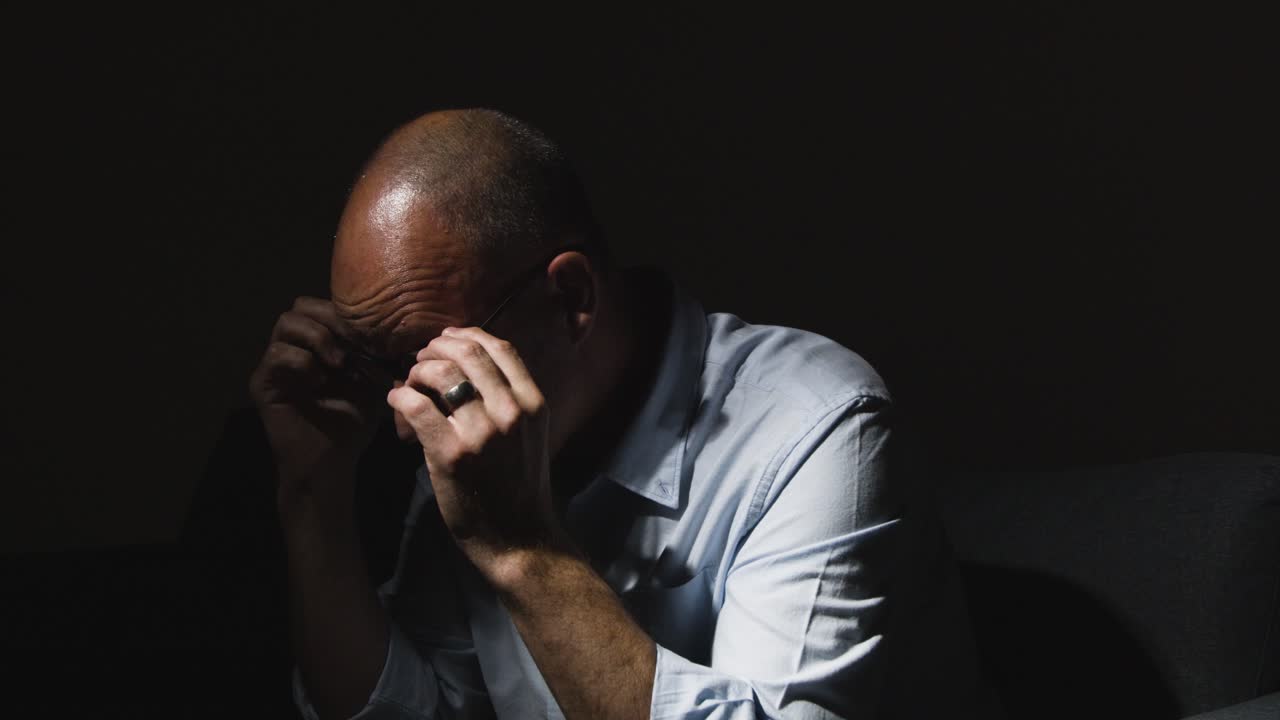
While these techniques can effectively manage sudden anxiety, some situations warrant professional intervention. Consider seeking help from a mental health provider if:
- Anxiety attacks occur frequently or are increasing in intensity
- Fear of having another anxiety attack begins limiting your activities
- You develop avoidance behaviors to prevent anxiety
- Anxiety interferes with work, relationships, or daily functioning
- You experience physical symptoms that haven’t been medically evaluated
- Self-help strategies aren’t providing sufficient relief
- You’re using alcohol, drugs, or other unhealthy coping mechanisms
Professional treatment for anxiety disorders is highly effective. Counseling approaches such as cognitive behavioral therapy (CBT) teach you to identify and change thought patterns that trigger anxiety. Medication management can also be helpful for some individuals, particularly when combined with therapy.
For those with treatment-resistant anxiety, specialized treatments like TMS therapy offer additional options. This non-invasive procedure uses magnetic pulses to stimulate specific areas of the brain involved in mood regulation.
Long-Term Anxiety Management
Beyond immediate coping strategies, building resilience against anxiety involves consistent lifestyle practices:
Regular Exercise: Physical activity naturally regulates stress hormones and promotes the production of endorphins, your brain’s natural mood elevators. Even 20-30 minutes of moderate exercise most days can significantly reduce baseline anxiety levels.
Sleep Hygiene: Sleep disturbances and anxiety create a vicious cycle. Poor sleep makes you more vulnerable to anxiety, and anxiety disrupts sleep. Establishing a consistent sleep schedule, creating a relaxing bedtime routine, and optimizing your sleep environment all contribute to better anxiety management.
Nutrition: Blood sugar fluctuations can trigger anxiety-like symptoms. Eating regular, balanced meals with adequate protein helps maintain stable blood sugar. Limiting caffeine and alcohol also reduces anxiety triggers.
Social Connection: Isolation amplifies anxiety, while meaningful social connections provide emotional support and perspective. Regular contact with supportive friends and family members creates a buffer against stress.
Mindfulness Practice: Daily mindfulness meditation, even for just 10 minutes, strengthens your ability to observe anxious thoughts without becoming overwhelmed by them. Over time, this practice makes sudden anxiety episodes less frequent and less intense.
Understanding Anxiety Disorders
If you experience frequent sudden anxiety, you may have an anxiety disorder. Common types include:
Panic Disorder: Characterized by recurrent, unexpected panic attacks followed by persistent worry about having additional attacks.
Generalized Anxiety Disorder: Excessive worry about various aspects of daily life that’s difficult to control and causes significant distress.
Social Anxiety Disorder: Intense fear of social situations where you might be judged or scrutinized by others.
Each of these conditions responds well to treatment. The first step is getting an accurate diagnosis from a qualified mental health professional who can create a personalized treatment plan addressing your specific needs.
The Role of Medication
For some people, medication management plays an important role in controlling sudden anxiety. Several types of medications can help:
SSRIs and SNRIs: These antidepressants work on brain chemistry to reduce overall anxiety levels over time. They’re taken daily and take several weeks to reach full effectiveness.
Benzodiazepines: These fast-acting medications can provide immediate relief during acute anxiety but are typically prescribed for short-term use due to dependence concerns.
Beta-blockers: These medications block the physical effects of adrenaline, reducing symptoms like rapid heartbeat and trembling.
A psychiatrist or psychiatric nurse practitioner can evaluate whether medication might benefit you and monitor your response to ensure optimal effectiveness with minimal side effects.
Creating Your Anxiety Toolkit
Think of anxiety management as building a toolkit rather than searching for a single perfect solution. Different situations call for different tools. Your toolkit might include:
- Breathing exercises for immediate physical symptoms
- Grounding techniques for dissociation or feeling overwhelmed
- Movement for excess nervous energy
- Cognitive strategies for racing thoughts
- Social support for emotional reassurance
- Professional resources for ongoing management
The more tools you have available and practice regularly, the more confident you’ll feel in your ability to handle sudden anxiety when it arises.
Moving Forward With Confidence
Living with anxiety doesn’t mean accepting a diminished quality of life. With the right strategies and support, you can learn to manage sudden anxiety effectively and reduce its impact on your daily activities. Remember that seeking help is a sign of strength, not weakness. Professional support can accelerate your progress and provide personalized strategies that work specifically for you.
If you’re in the St. George, Utah area and struggling with sudden anxiety or any other mood disorder, the compassionate team at Mental Health & Wellness of Southern Utah is here to help. Our experienced providers offer comprehensive services including therapy, medication management, and innovative treatments to help you reclaim your peace of mind.
Frequently Asked Questions
Can sudden anxiety cause a heart attack?
No, anxiety and panic attacks cannot cause a heart attack. While the symptoms can feel similar (chest pain, rapid heartbeat, shortness of breath), anxiety releases stress hormones that are not harmful to your heart in otherwise healthy individuals. However, if you experience chest pain for the first time, it’s important to rule out cardiac causes with a medical evaluation.
How long does a typical anxiety attack last?
Most anxiety or panic attacks peak within 10 minutes and typically subside within 20-30 minutes. The physical symptoms may resolve more quickly than the emotional aftermath. If symptoms persist for hours, you may be experiencing prolonged anxiety rather than a discrete panic attack.
Is it possible to prevent anxiety attacks completely?
While you may not be able to prevent every anxiety episode, consistent treatment and lifestyle management can dramatically reduce their frequency and intensity. Many people with anxiety disorders experience significant improvement or complete remission with appropriate treatment.
What’s the difference between anxiety and an anxiety disorder?
Everyone experiences anxiety occasionally in response to stress or uncertainty. An anxiety disorder is diagnosed when anxiety becomes excessive, persistent, difficult to control, and interferes with daily functioning. If anxiety is disrupting your work, relationships, or quality of life, professional evaluation is recommended.
Can anxiety get worse if left untreated?
Untreated anxiety often worsens over time and can lead to additional complications including depression, substance abuse, physical health problems, and increasing avoidance behaviors that limit your life. Early intervention typically leads to better outcomes.
Are natural remedies effective for sudden anxiety?
Some people find relief through natural approaches like chamomile tea, lavender aromatherapy, magnesium supplements, or herbal preparations like passionflower. However, evidence for these remedies varies, and they should complement rather than replace proven treatments for anxiety disorders. Always consult with a healthcare provider before starting any supplement regimen.
Can children and teenagers experience sudden anxiety too?
Yes, anxiety affects people of all ages. In younger individuals, anxiety might manifest differently, such as through irritability, avoidance of school or activities, physical complaints, or sleep difficulties. Early intervention is particularly important for young people to prevent anxiety from interfering with development and education.
Should I go to the emergency room for a panic attack?
If it’s your first episode and you’re uncertain whether it’s anxiety or a medical emergency, seeking immediate medical evaluation is appropriate. Once cardiac or other medical causes have been ruled out and you know the symptoms represent anxiety, emergency room visits usually aren’t necessary. Instead, contact your mental health provider or use crisis resources for support.